
Ducted Reverse Cycle Heating & Cooling: Zoning, Running Costs & Sizing Tips
If you want one system to keep your entire home comfortable through a Melbourne winter and a hot summer, don’t overlook ducted reverse cycle heating and cooling.
A single system can provide both heating and refrigerated cooling through discreet ducts throughout the home. More importantly, a well-designed system can be divided into zones. This allows you to condition the areas you’re actually using rather than paying to heat or cool every room.
However, there’s an important distinction between having ducted air conditioning and having a ducted system, that’s been properly designed for your home.
Sizing, zoning, ductwork, controls and the way you operate the system all influence how comfortable your home feels. Concurrently, this appears on your electricity bill as well. Here’s what Melbourne homeowners should understand before installing or upgrading a ducted reverse cycle system.

How Does Ducted Reverse Cycle Air Conditioning Work?
Reverse cycle air conditioning is essentially heat pump technology. In summer, the system removes heat from inside your home and transfers it outdoors. In winter, the cycle reverses, extracting available heat from outside air and transferring it indoors.
This ability to move heat rather than simply create it is what makes reverse cycle technology so efficient. The Australian Government’s Energy Rating program notes that, under normal Australian operating conditions, reverse cycle air conditioners can move around three to five units of heat into a room for every unit of electricity they consume.
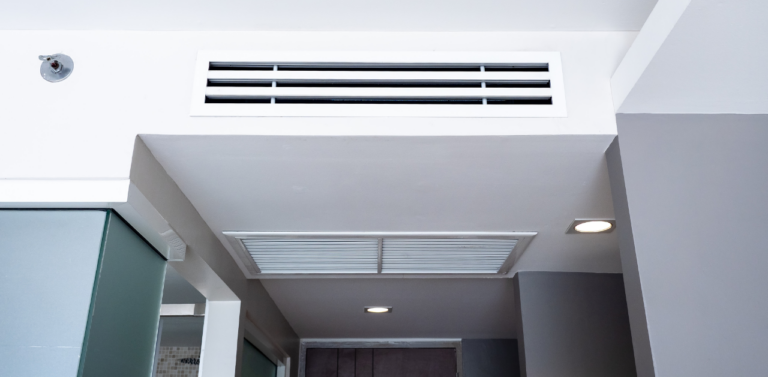
With a ducted system, conditioned air is distributed from a central indoor unit through insulated ducts and outlets positioned around the home. The result is whole-home climate control without requiring a visible wall-mounted unit in each room.
Zoning Is Where Ducted Systems Become Smarter
One of the biggest concerns homeowners have about ducted air conditioning is running cost. If you’re conditioning an entire house every time the system is switched on, that concern is justified.
Good zoning changes the equation.
A zoned system divides the home into independently controlled areas. You might have separate zones for bedrooms, living areas and less frequently used spaces. Instead of cooling four empty bedrooms while the family is in the living room, those zones can be switched off.
Zoning is the most efficient way to operate ducted reverse cycle heating. The better a home’s zoning capability, the greater the control homeowners have over energy consumption and running costs.
The best zoning arrangement will depend on the layout of the home, return-air placement and how different spaces are used. More sophisticated systems can also offer individual temperature settings and fan control across zones.
The important point is that zoning should be considered during system design, rather than treated as an optional feature at the end.
What Does Ducted Reverse Cycle Cost to Run?
There’s no useful single figure for the running cost of ducted reverse cycle air conditioning. A home’s floor area, insulation, system efficiency, electricity tariff, thermostat setting, zoning and usage habits can all change the result considerably.
However, Victorian modelling gives us useful context.
Sustainability Victoria estimates that heating a 160 m² home with an unzoned two-star ducted reverse cycle system could cost around $1,318 per year under its modelling assumptions. A comparable six-star gas ducted system is estimated at $2,299. These are modelled figures rather than quotes for an individual household. However, they demonstrate why efficient electric heating is becoming increasingly attractive.
How you operate the system matters just as much as what you install. For cooling, we recommend setting the thermostat between 24°C and 26°C and estimates that every degree lower can increase running costs by around 10 per cent.
That means keeping running costs under control is often less about avoiding the system and more about using it intelligently:
- Condition occupied zones rather than the entire house.
- Don’t use extreme thermostat settings in an attempt to heat or cool rooms faster.
- Keep return-air filters clean and have the system serviced according to manufacturer recommendations.
- Use blinds, curtains, insulation and draught sealing to reduce the heating and cooling load in the first place.
A well-designed system should make comfort easier to achieve, not force the equipment to work unnecessarily hard.
Getting the Size Right Matters More Than You Think
When homeowners compare ducted systems, there can be a temptation to assume that bigger means better. With air conditioning, that’s not the case.
An undersized system may struggle during Melbourne’s hottest and coldest days. It can spend long periods operating at high output without bringing the home to the desired temperature. This potentially increases energy use and wear.
Oversizing creates a different problem. A system that’s unnecessarily large can cost more upfront and may cycle inefficiently rather than operating steadily. Sustainability Victoria warns that oversized air conditioners can experience short cooling cycles, increasing power consumption and wear.
This is why sizing shouldn’t be determined by floor area alone.
A proper heat-load assessment should consider the size and layout of the home, ceiling heights, insulation, draught sealing, window area and orientation, shading and Melbourne’s local climate. Both Sustainability Victoria and the Australian Government recommend professional assessment rather than relying on a simple rule of thumb.
Two houses with identical floor areas can therefore require quite different systems. A well-insulated home with shaded glazing may have a substantially different heating and cooling load from an older property with large west-facing windows and limited ceiling insulation.
Don’t Forget About the Ductwork
The outdoor unit tends to receive most of the attention when comparing systems. On the other hand, ductwork has a direct impact on efficiency.
Conditioned air has to travel through the ducts before it reaches the rooms. Poorly insulated, damaged or badly designed ductwork can lose energy along the way. Sustainability Victoria notes that ducted systems experience energy losses through ductwork and recommends discussing duct insulation with your installer.
Outlet positioning, duct sizing and airflow balancing also matter. A powerful air conditioner can’t compensate for a distribution system that doesn’t deliver air effectively to each zone.
This is why replacing an old ducted system is also an opportunity to assess the existing ducts rather than automatically connecting a new unit to infrastructure that may be limiting performance.
Look Beyond the Purchase Price
The cheapest system to install isn’t necessarily the cheapest system to own.
Efficiency, sizing, zoning and installation quality affect the amount of electricity a system will consume over years of Melbourne summers and winters. When comparing equipment, look at heating and cooling capacity and seasonal efficiency rather than simply choosing a system based on its headline kilowatt rating.
Australian air conditioners are subject to minimum energy performance requirements, and energy-rating information can help homeowners compare the expected efficiency of similar systems.
It’s also worth considering the wider home. Improving insulation, addressing draughts or upgrading inefficient windows may reduce the load enough to change the size of system you need. The smartest heating and cooling solution starts with understanding the building, not just selecting the equipment.
The Bottom Line
Ducted reverse cycle heating and cooling can provide excellent year-round comfort for Melbourne homes, but its performance depends heavily on how well the system is designed.
The right-sized unit gives you the capacity you need without unnecessary energy consumption. Thoughtful zoning prevents you from paying to condition unused spaces. Quality ductwork gets heated or cooled air where it needs to go, while sensible thermostat settings and regular maintenance help preserve efficiency over the life of the system.
Get those fundamentals right and ducted reverse cycle becomes more than a convenient way to heat and cool the whole home. It becomes a system you can control around the way your household actually lives.
Considering Ducted Reverse Cycle Heating and Cooling?
Choosing the right system should start with your home, not a product catalogue.
Tailored Heating and Cooling can assess your property, heating and cooling requirements, zoning opportunities and existing infrastructure to recommend a ducted reverse cycle solution designed around your household.
Whether you’re replacing an ageing system, moving away from gas or installing whole-home heating and cooling for the first time, getting the design right from the beginning can make a significant difference to comfort and long-term running costs.
Book a service with Tailored Heating and Cooling today and find the right heating and cooling solution for your home.