

Electricity powers almost every aspect of modern Australian living. From kitchen appliances and bathroom fittings to outdoor entertaining areas and pool equipment, reliable electrical systems are essential. Yet when electricity and moisture come into contact, the risk of electric shock rises significantly.
This is where Residual Current Device outlets come into play.
While the term RCD, short for Residual Current Device, is more commonly used here in Australia, the equivalent protective technology in North America is Ground Fault Circuit Interrupter or GFCI. Whether installed at the switchboard or integrated into specific outlets, the purpose remains the same: to prevent serious electric shock and potentially save lives.
At Tailored Power, we prioritise safety, compliance and long-term reliability in every electrical installation. Understanding how RCD technology works and why it matters empowers homeowners to make informed decisions about protecting their families and properties.
An RCD outlet is a safety device designed to protect people from electric shock caused by ground faults. A ground fault occurs when electricity takes an unintended path to the ground, often through a person.
Here in Australia, protection is provided by:
Although terminology differs, the principle is the same. These devices monitor electrical current and instantly disconnect power if they detect a dangerous imbalance.
To understand RCD’s work, it helps to know a little about how electricity flows.
In a normal circuit, electricity flows from the active wire. Then, it travels through an appliance. Finally, it goes back via the neutral wire.
The amount of current leaving the circuit should match the amount returning.
An RCD continuously monitors this balance. If it detects even a small difference, usually as little as 30 milliamps in Australian residential settings, it assumes electricity may be flowing through an unintended path, such as through water or a human body.
When this imbalance is detected, the device disconnects power within milliseconds.
This rapid disconnection significantly reduces the risk of serious injury or electrocution.
Electric shock risk increases dramatically in areas where water is present. This includes:
Water reduces the body’s natural electrical resistance, allowing more current to pass through in the event of contact.
Without ground fault protection, even a minor wiring fault or damaged appliance could result in severe shock.
In Australia, electrical regulations under AS NZS 3000 require RCD protection for most residential circuits. However, older homes may not meet current standards.
Upgrading to modern protection systems is one of the most effective safety improvements homeowners can make.
Understanding the seriousness of electric shock reinforces why RCD devices matter.
Electric shock can cause:
Currents as low as 30 milliamps can be fatal under certain conditions.
The rapid trip time of an RCD dramatically reduces the duration of exposure. While it cannot eliminate risk entirely, it significantly improves survival outcomes.
This is why these devices are considered life-saving technology rather than optional upgrades.
Many homeowners assume standard circuit breakers provide full protection. While circuit breakers are essential, they serve a different purpose.
A standard circuit breaker protects wiring and appliances from overload, short circuit and excessive current draw. However, it does not specifically protect against electric shock from ground faults.
An RCD focuses on personal safety by detecting current imbalance, not overload.
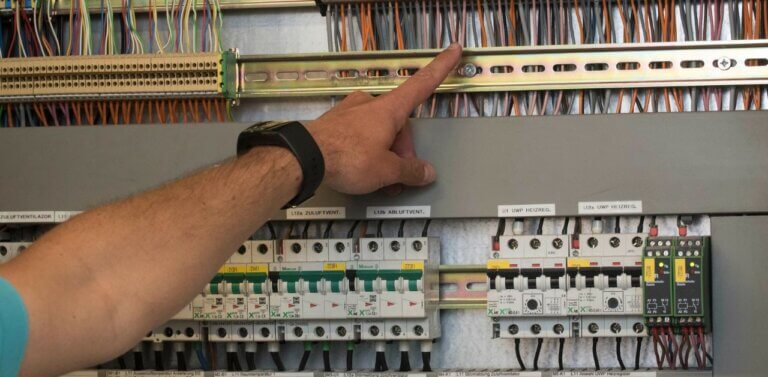
Modern switchboards often combine both functions through RCBOs, providing comprehensive protection. With our team of certified electricians, we assess each property’s configuration to ensure both overload and shock protection are correctly implemented.
Ground faults can occur in many ways, including:
Outdoor areas are particularly vulnerable due to exposure to weather conditions. Regular inspections and proper installation significantly reduce these risks.
Most RCDs outlets include a test button. In Australia, it is recommended that homeowners test safety switches every three months.
To test:
If the device fails to trip, you should contact a licensed electrician immediately.
Routine testing ensures your safety system is functioning when needed.
Electrical work in Australia must be carried out by licensed electricians. Installing or modifying RCD protection requires professional knowledge of circuit design, load balancing, compliance standards, IP ratings for wet areas, and switchboard capacity.
On the other hand, improper installation can void insurance. Apart from that, you risk breaching regulations and creating fire hazards, which ultimately compromises safety.
Our electrical services are delivered with a commitment to precision, compliance and long-term reliability.
Homes built before the early 2000s may not have comprehensive RCD protection across all circuits.
Common signs that an upgrade may be required include:
Older homes may still have ceramic fuse holders, which lack the protection of modern safety switches. These fuses only protect against overloads, not electric shocks. Upgrading to a modern RCD switchboard will provide better protection and meet current safety standards.
Homes with limited safety switches may only protect a few circuits, leaving others exposed to the risk of electric shock. RCDs should be installed across all circuits, especially in high-risk areas like kitchens and bathrooms. Upgrading ensures complete protection for your family.
Using multiple devices on overloaded power boards can lead to overheating and potential fire hazards. Overloaded circuits indicate your system can’t handle modern electrical demands. Upgrading your wiring and adding more outlets reduces the risk and prevents overloading.
Frequent tripping of circuit breakers may signal underlying electrical issues, such as faulty wiring or overloading. Constant trips can also wear down the system. An electrician can inspect and upgrade your system to ensure it handles current loads safely.
Renovating wet areas like bathrooms and kitchens without upgrading the switchboard leaves your electrical system outdated and unsafe. Older systems may lack RCD protection for these high-risk areas. Ensure your switchboard is upgraded to meet modern safety standards for wet zones.
A switchboard upgrade modernises your electrical infrastructure and improves overall safety. To understand the latest compliance requirements, read our guide to Australian switchboard standards and upgrade regulations.
As households add solar systems, electric vehicles and high-powered appliances, electrical demand increases. Ensuring adequate protection becomes even more important.
The Benefits of Upgrading to Modern RCD Protection
Investing in modern ground fault protection offers life-saving shock prevention, improved compliance with Australian standards, and greater peace of mind. It also enhances property value, reduces fire risk, and ensures compatibility with modern appliances. For families prioritising long-term reliability and safety, this upgrade is essential, as electrical systems should never be left to chance.
If your home is over 20 years old, you’re renovating bathrooms or outdoor areas, installing new high-powered appliances, or experiencing tingling sensations from taps or appliances, it’s time to arrange a professional inspection.
Frequent safety switch trips or uncertainty about RCD protection also warrant an inspection. Early intervention helps prevent costly repairs and ensures your household is protected from serious electrical hazards. If you’d like to know what a professional assessment covers, our electrical safety inspection checklist walks you through the key areas.
At Tailored Power, electrical safety is at the core of home comfort and performance. We offer a range of services, including:
With a focus on premium workmanship, sustainable solutions, and transparent communication, we ensure long-term reliability. Our goal is to design electrical systems that meet today’s needs while preparing for future growth and technological integration.
If you are unsure whether your home has adequate ground fault protection, now is the time to act. Book your electrical safety inspection with Tailored Power today and ensure your home is protected with modern, compliant RCD technology.
Contact our team for tailored advice and let us design a safer, smarter electrical system for your home.