

It’s common knowledge that getting in contact with electricity can be deadly. In fact, even the slightest contact at 50 volts AC or 120 volts DC causes severe damage. What’s more, electricity and water are an even more dangerous combination. At home, wet areas such as bathrooms, laundries, kitchens, garages and outdoor entertaining spaces present unique electrical risks that many homeowners underestimate.
With increasing demand for modern appliances, outdoor power, pool equipment and high-powered bathroom fittings, electrical safety in wet zones has never been more important. Understanding the risks and implementing the right safeguards can protect your family, your property and your long-term investment.
At Tailored Power, we believe electrical systems should not only function efficiently but operate safely and sustainably for years to come. This guide outlines how to stay safe around electricity in wet areas, why compliance matters, and how professional electrical solutions reduce risk.
Water is an excellent conductor of electricity. When electrical current comes into contact with moisture, the risk of electric shock increases significantly.
In wet environments, skin resistance decreases when wet, making shock more severe. Additionally, water can enter damaged wiring or poorly sealed fitting easily, posing greater risk to household members without them knowing.
Electric shock incidents frequently occur in domestic environments, particularly where appliances are used near sinks, baths, pools or outdoor areas. Even minor faults can become dangerous when water is present.
One of the most important electrical safety devices in Australian homes is the Residual Current Device, commonly known as an RCD or safety switch.
A safety switch works by detecting imbalances in electrical current. If electricity flows through an unintended path such as through a person, the device disconnects power within milliseconds.
In wet areas, RCD protection is essential because water increases conductivity. Appliances, more often than not, are handled with wet hands. So having an RCD protection in place reduces the risk of shock. Lastly, outdoor equipment may be exposed to rain, allowing water to seep into the electrical points.
Australian regulations require RCD protection on most residential circuits. However, many older homes may not have comprehensive coverage.
A switchboard upgrade can dramatically improve household safety, particularly in properties undergoing renovation or appliance upgrades.
Bathrooms present one of the highest electrical risk environments in the home.
To stay safe:
Power points must not be installed too close to baths, showers or basins. If you are renovating, ensure your electrician follows zoning requirements precisely.
Lighting and exhaust fans installed near moisture must have appropriate Ingress Protection ratings. This prevents water penetration into electrical components.
Never run extension leads into bathrooms. Portable heaters, hair appliances and chargers should only be used with compliant, permanently installed outlets.
Hairdryers and electric shavers should be unplugged when not in use and stored away from sinks.
Professional electrical design ensures functionality without compromising safety.
Laundries and kitchens combine water, metal surfaces and high-powered appliances.
Key safety measures include:
Dishwashers and washing machines should be connected to dedicated circuits where possible. Faulty appliances in wet areas can cause both electric shock and fire hazards.
Routine electrical inspections help identify early warning signs such as overheating outlets, loose connections or deteriorating insulation.
Outdoor entertaining areas are increasingly popular in Australian homes. With outdoor kitchens, pergola lighting, pool pumps and garden power points, electrical demand outdoors has grown significantly.
To stay safe outdoors:
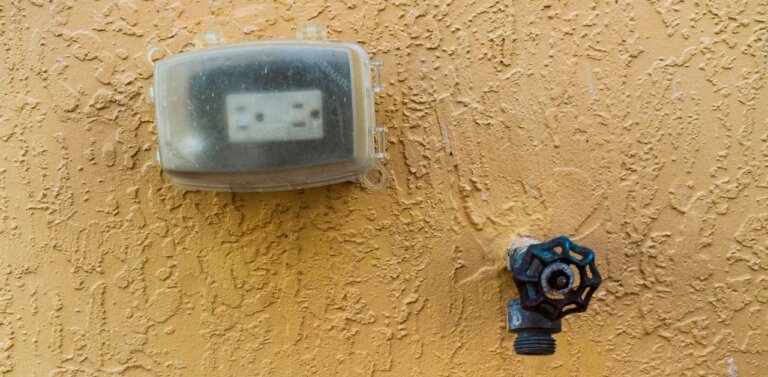
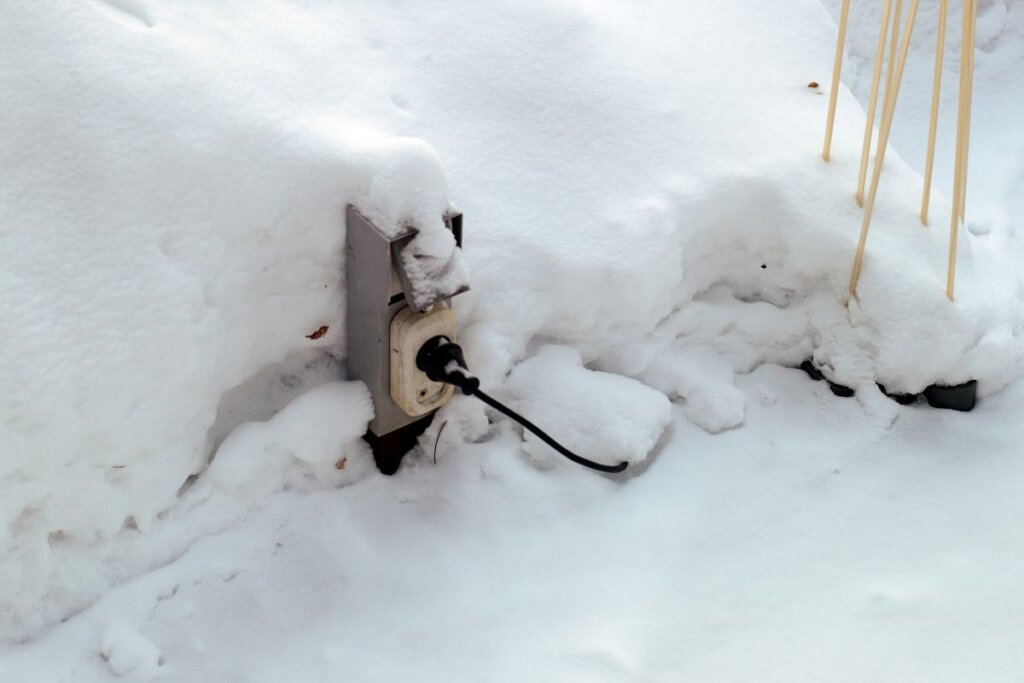
Outdoor power outlets must have appropriate weatherproof covers and IP ratings suitable for Australian conditions.
Pool pumps, heaters and lighting must comply with strict safety distances from water and be installed by licensed electricians.
Temporary extension leads running across grass or decking can become hazardous when wet.
Heavy rain and flooding can damage outdoor wiring and fittings. After severe weather, have outdoor circuits inspected.
A professionally designed outdoor electrical system ensures both safety and visual appeal without compromise.
Despite good intentions, many households unknowingly create electrical hazards in wet areas.
Common errors include using indoor-rated power boards outdoors. The latter has added protective features that fare better in our weather conditions. Another case is when DIY lighting is installed without proper sealing. A lot of homeowners are unaware of the risks of not following an installation through with a silicone seal.
You should also never ignore even the slightest tingling sensations when plugging an appliance to an outlet, this can lead to further hazards over time.
Failure to upgrade outdated switchboards may also cause electrical shocks. This is because older switchboards’ capabilities may not be enough to handle a more modern appliance’s electrical components. If you’re unsure whether your circuits are under strain, our guide on how to tell if a circuit is overloaded outlines the key warning signs.
In Australia, electrical work must be carried out by licensed professionals. DIY electrical modifications are illegal and dangerous. A minor shortcut can have serious consequences.
Many Australian homes built before the early 2000s may lack adequate RCD protection or have outdated ceramic fuses.
A modern switchboard upgrade provides:
As homes integrate solar power, electric vehicle chargers and high-efficiency appliances, electrical demand increases. Wet areas combined with overloaded circuits present heightened risk.
Upgrading your switchboard is one of the most effective safety improvements you can make. If your home has older wiring, it’s also worth understanding the hidden dangers of old home wiring and how they compound risk in wet areas.
Electrical safety and energy efficiency go hand in hand.
Faulty wiring and overloaded circuits increase energy wastage, reduce system lifespan, create fire hazards, and undermine renewable energy investments.
At Tailored Power, our integrated approach ensures that safety upgrades align with broader energy efficiency goals. Whether installing solar power, upgrading lighting or enhancing switchboard capacity, we design systems that are both safe and sustainable.
Modern electrical solutions should deliver long-term performance, not short-term fixes.
You should arrange a professional inspection if:
Early intervention prevents costly repairs and protects your household from serious harm.
Professional electricians can test RCDs, inspect wiring integrity and ensure wet area installations meet current Australian standards.
Electrical safety is not about fear. It is about preparation and informed decision-making.
By implementing measures for a safer home environment, you get proper RCD protection. You can also rest assured that your wet area installations are compliant with weatherproof fittings. Aside from these you also get professional switchboard upgrades and routing electrical inspections.
As a result, you create a home that prioritises safety, efficiency and peace of mind. For families who value reliability and long-term solutions, investing in safe electrical infrastructure is essential.
If you are unsure whether your wet areas meet current safety standards, now is the time to contact your local specialists.
Our team is committed to providing premium quality solutions that prioritise safety, sustainability and long-term performance.
Book your electrical safety inspection with Tailored Power today and ensure your home is protected where it matters most.
For tailored advice specific to your home, contact our team and let us design a safer, future-ready electrical system for your family.